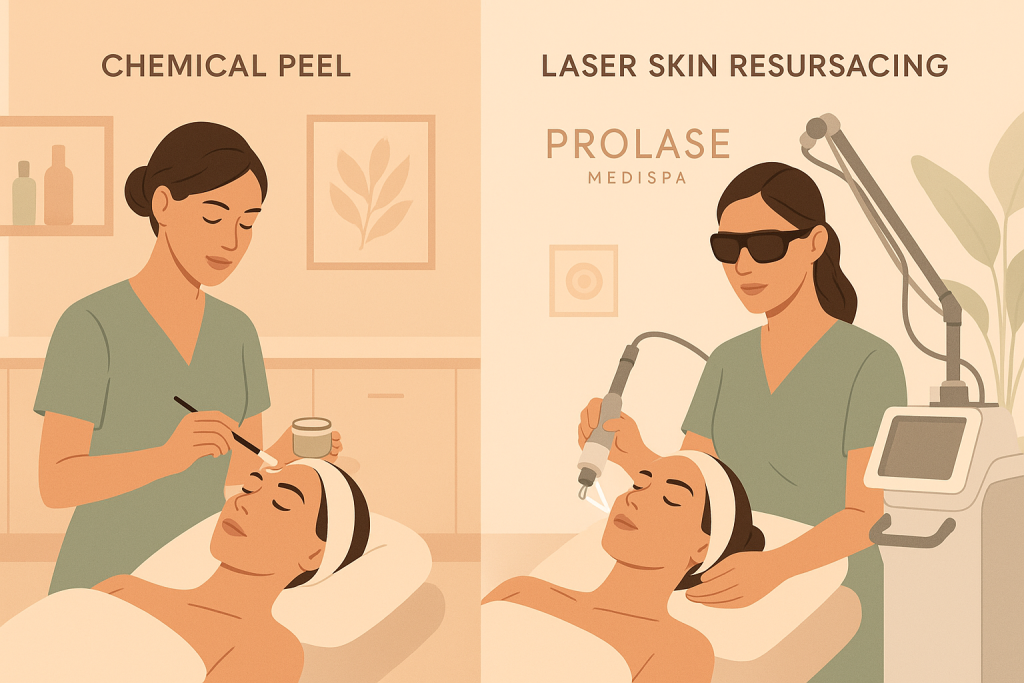
Chemical Peel vs Skin Resurfacing: A Practical Comparison Guide for Northern Virginia
Chemical peel vs skin resurfacing—if you’re stuck choosing between a chemical peel or laser skin resurfacing for smoother, brighter skin, you’re in the right place. Below is a friendly, expert guide with a quick side-by-side comparison, costs, downtime, and what real before-and-after timelines look like.
Estimated Reading Time
11–14 minutes
Key Takeaways
- Cost differences: Chemical peel cost is typically lower per session than laser, but lasers can reach deeper changes in fewer visits.
- Varied downtime: Light peels = minimal flaking; medium peels = ~1 week of visible peeling; fractional CO2 laser = ~1–2 weeks of crusting and pinkness.
- Skin goals matter: Chemical peels solve dullness, mild texture, acne, melasma; lasers tackle deeper wrinkles, pronounced texture, scars.
- Safety across tones: VI chemical peel suits all skin types. Fractional lasers require experienced providers for darker skin.
- Collagen remodeling: Lasers, especially CO2, prompt high collagen formation — expect improvement for months after treatment.
Table of Contents
- Fast Comparison Table
- What Is a Chemical Peel?
- What Is Laser Skin Resurfacing?
- Top Skin Concerns Each Treats Best
- Ideal Candidate “Avatars”
- Treatment Options Menu
- Step-by-Step Process & What to Expect
- Before-and-After Results Timelines
- Pros & Cons Snapshot
- Cost & Package Ranges in Northern Virginia
- How to Decide – Quick Flowchart
- Local Access & “Near Me” Options
- Safety FAQs & Contra-Indications
- Final Step
- FAQ
Fast Comparison Table: Chemical Peel Cost vs Laser Skin Resurfacing Cost and Skin Resurfacing Treatments
Here’s a quick side-by-side to see how these skin resurfacing treatments stack up.
Chemical Peel
• How it works: A controlled acid solution dissolves the dull, damaged outer layers so fresh new skin can rise to the surface.
• Best for: Dullness, clogged pores, active acne, post-acne marks, melasma, early fine lines, mild texture.
• # Sessions: 3–6 peels spaced 3–6 weeks apart.
• Downtime: Light peels = minimal flaking; medium peels = 3–7 days of visible peeling.
• Average cost: Light peel $150–$300; VI or PCA medium peel $300–$650 (Advanced Dermatology PC [4]).
• Typical before-and-after timeline: Early glow immediately; biggest change in 1–3 treatments, with clearer, smoother tone by 4–8 weeks.
Non-Ablative Fractional Laser
• How it works: Fractional beams heat the dermis without creating open wounds, triggering collagen rebuilding.
• Best for: Mild-to-moderate texture, large pores, early lines, sun damage; safe option with very short downtime.
• # Sessions: 3–4 sessions spaced 4–6 weeks apart.
• Downtime: 1–3 days of pinkness and mild swelling.
• Average cost: $800–$1,500 per session (Advanced Dermatology PC [4]).
• Typical before-and-after timeline: Subtle change by 1–2 weeks; collagen smoothing builds over 3–6 months.
Fractional CO2 Laser
• How it works: Micro-columns of ablative light remove tiny channels of epidermis and dermis, prompting strong collagen repair.
• Best for: Deeper wrinkles, acne scars, etched lines, leathery texture, pronounced sun damage.
• # Sessions: Often 1–2 sessions.
• Downtime: 5–10 days of crusting and peeling, with pinkness for weeks.
• Average cost: $2,000–$3,500 per session (Advanced Dermatology PC [4]).
• Typical before-and-after timeline: Surface heals by day 7–10; collagen and texture continue improving for up to 6 months.
Key takeaways: Chemical peel cost usually runs less per session, while lasers handle deeper texture/scars in fewer visits. Choose based on your skin goals, downtime tolerance, and budget.
What Is a Chemical Peel? PCA Chemical Peel, VI Chemical Peel, Chemical Peels Cost
A chemical peel is an in-office application of a controlled acid solution that dissolves the dull, damaged outer layers so fresh new skin can rise to the surface. Think of it like a safe reset that boosts your glow and clarity.
Depth tiers you should know:
• Light peel (glycolic, lactic, salicylic): A glow boost with near-zero downtime—fantastic for congestion, breakouts, and mild dullness.
• Medium peel (TCA 20–35%): Tackles pigment and texture with a ~7–10 day peeling and renewal cycle.
• Deep peel (phenol): Powerful, rarely used today due to extended downtime and higher risk.
Brand spotlights:
• PCA chemical peel: Customizable blends, gentle application, minimal sting—often a favorite for sensitive skin or first-timers.
• VI chemical peel: A TCA/phenol/retinoic combo with predictable 3–5-day sheet peeling; safe across skin tones (including deeper tones that often need caution with heat-based devices).
Chemical peel before and after: a simple day-by-day timeline
• Day 0: Treatment day. Skin bright, maybe slightly pink.
• Days 1–2: Skin feels tight. Mild warmth or tingling is normal for medium peels.
• Days 2–4: Flaking starts around mouth/nose, then spreads. Don’t pick. Keep to gentle cleanser + SPF.
• Days 3–5: Sheet-like peeling (common with VI chemical peel, many PCA formulas).
• Days 5–7: Most flaking done. Smoother, clearer skin emerges.
• Day 10+: Tone evens out; texture looks finer.
Evidence note: Expect light peels to have minimal downtime and medium peels to need about a week of visible peeling before the glow and clarity fully show (Terrasse MD [1]).
Budget basics: Light peels often start around $150–$300; VI/PCA medium peels range $300–$650 per visit.
What Is Laser Skin Resurfacing? Laser Skin Resurfacing, CO2 Laser Skin Resurfacing Before and After
Laser skin resurfacing uses concentrated light energy to create tiny micro-columns in the skin, vaporizing old tissue and spurring collagen renewal. It can reach deeper texture issues than most peels.
Device categories explained:
• Non-ablative fractional (1540/1550 nm): Heats the dermis without breaking the surface—1–3 days of pinkness, good for mild-to-moderate texture, large pores, early lines.
• Fractional CO2 (10,600 nm): Removes tiny columns of skin to spark a bigger collagen surge—5–10 days of crusting, strong results for wrinkles and scars.
• Full-field ablative CO2: Treats the entire surface at once—reserved for severe etched lines or scars, with longer recovery and higher risks.
Laser skin resurfacing before and after—what science shows:
• Fractional CO2 can boost dermal collagen by up to 40% at 6 months, so results keep improving over time (Lavié MD [2]).
• Plan a week off social events for CO2, then enjoy progressive smoothing for months to come.
Cost ranges: Non-ablative fractional runs $800–$1,500 per session; fractional CO2 averages $2,000–$3,500 per session (Advanced Dermatology PC [4]).
Top Skin Concerns Each Treats Best
Chemical Peel
• Dullness / uneven tone
• Congested pores / blackheads
• Active acne, oil control
• Post-acne marks / melasma
• Mild texture / early fine lines
• Quick brightening before an event
Laser Resurfacing
• Deeper wrinkles / etched lines
• Acne scars (boxcar, rolling)
• Enlarged pores / rough texture
• Surgical / injury scars
• Pronounced sun damage / leathery skin
• Moderate-to-severe texture issues
Evidence snapshot: Lasers (especially fractional CO2) outperform peels for deeper wrinkles thanks to robust collagen remodeling beneath the surface (Vibrant Skin Bar [0]).
Ideal Candidate “Avatars”
A. Chemical Peel Avatar (great for first-timers, budget-friendly)
• Goal: Brighter skin fast with limited downtime (~3 days for light/medium).
• Budget: Cost-conscious; wants a “starter” option before pricier lasers.
• Skin type: Fitzpatrick I–VI. VI chemical peel is known for safety across tones. PCA peel blends can suit sensitive skin.
B. Laser Skin Resurfacing Avatar
• Goal: Age 30+ with acne scarring or etched wrinkles, willing to accept ~1 week social downtime.
• Budget: Accepts higher upfront investment for a bigger payoff; weighs laser skin resurfacing cost vs fewer visits.
• Skin type: Fitzpatrick I–III typical for CO2. Darker tones (IV–VI) need an expert provider, careful settings, test spot (Dr Torgerson [8]).
Treatment Options Menu: VI Chemical Peel, Laser Skin Resurfacing
7.1 Chemical Peels (What They’re Best At)
• Light “lunchtime” glycolic or lactic peel: near-zero downtime; great pre-event glow.
• Medium PCA chemical peel: expect peel sheets on days 3–5; 1 week of social downtime.
• VI chemical peel: strong choice for pigmented lesions, acne, all skin tones; predictable peeling cycle.
Budget note (chemical peels cost): $150–$650 per visit depending on depth and brand.
7.2 Laser Skin Resurfacing
• Non-ablative fractional laser: a series of 3–4 sessions, short downtime, ~20–30% improvement each time.
• Fractional CO2 laser: often 1–2 sessions. Expert reports show ~60–80% improvement in texture/acne scars (Dr Mayli Davis [5]).
Step-by-Step Process & What to Expect
8.1 Your Chemical Peel Visit
• Consultation & prep: Goals, skin history, tone. Pause retinoids 3–5 days prior; antivirals if prone to cold sores.
• Treatment steps: Cleanse, degrease, apply acid layers. Mild sting or heat is normal; some peels are “leave-on.”
• Comfort: Typically no anesthesia needed; ~15–20 minutes total.
• Aftercare: Gentle cleanser, SPF 50 daily, don’t pick flakes. Peeling often peaks days 2–5 for medium peels.
• Results: A brighter look immediately, clearer tone in a few weeks; a series amplifies results.
8.2 Your Laser Skin Resurfacing Visit
• Photos: Standardized pics track progress.
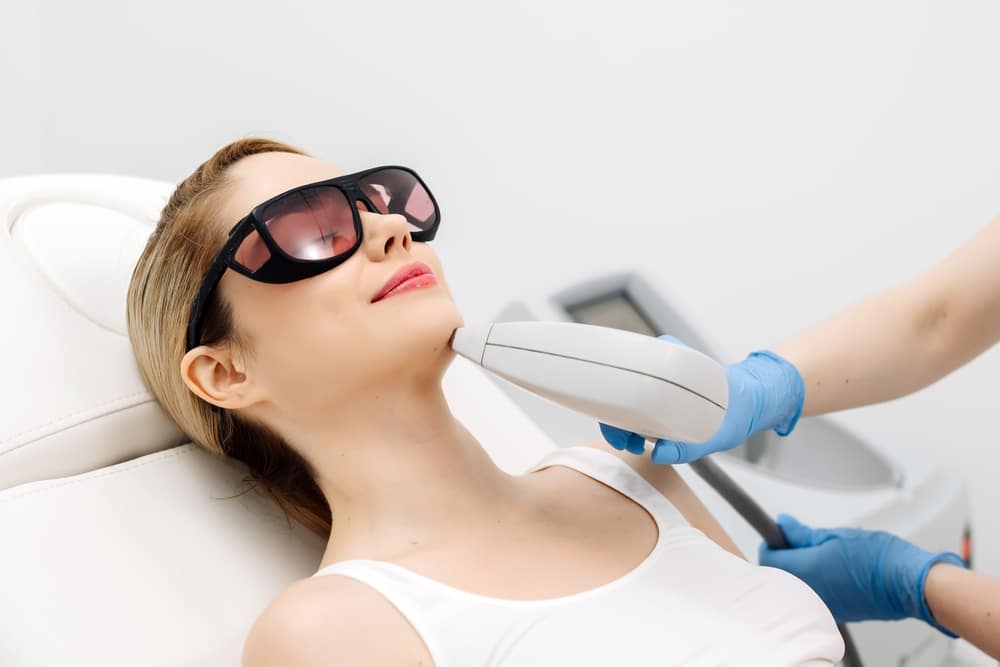
• Numbing & eye safety: Topical anesthetic for 30–45 mins, protective shields.
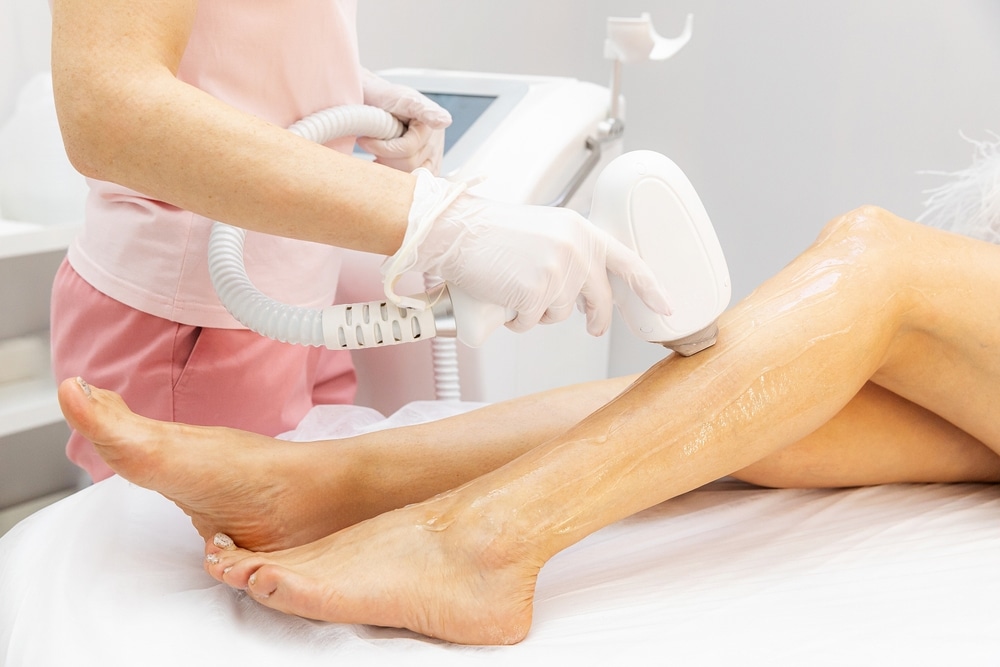
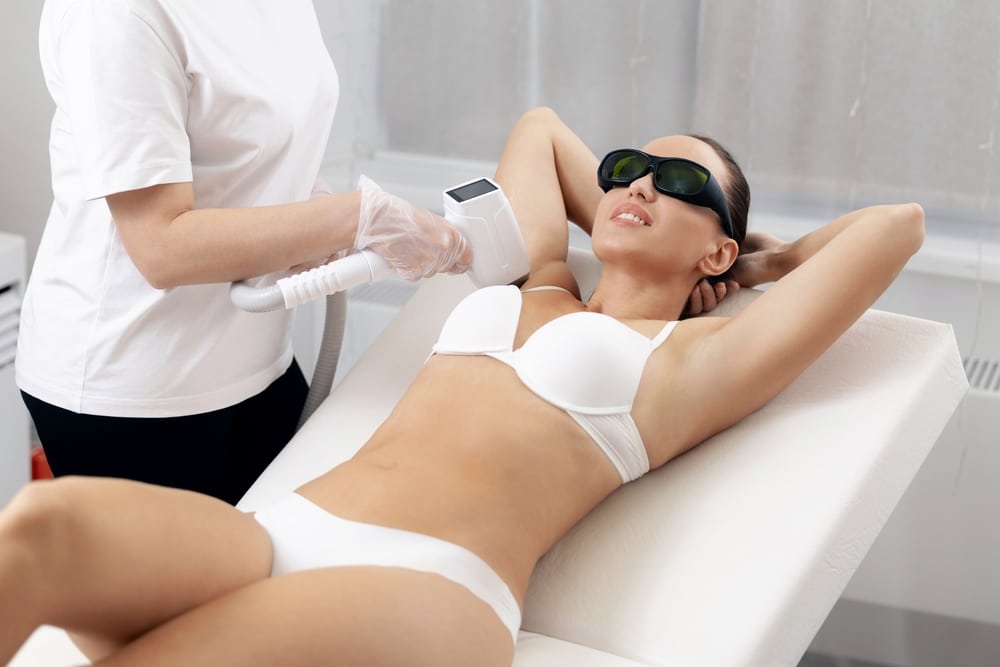
• Treatment: Multiple device passes; you’ll feel warmth, hear the smoke evacuator. Chilled air helps comfort.
• Recovery kit: CO2 requires vinegar/saline soaks, barrier cream, strict SPF. Non-ablative = soothing cream + SPF.
• Wondering what a first laser appointment feels like? See [10].
Combo strategies: We can alternate light/medium peels with non-ablative laser for speedier brightening and minimal downtime. Microneedling can also be a great collagen booster ([9]).
Before-and-After Results Timelines
Chemical Peel Before and After
• Immediate: Fresh glow, tighter feel after a light peel.
• Days 2–5: Medium peels (such as VI/PCA) become visibly flaky.
• Weeks 2–4: Tone evens, post-acne marks or melasma lighten.
• Series results: After 3+ peels, expect clearer tone, smoother texture.
Non-Ablative Laser Skin Resurfacing Before and After
• Week 1: Mild redness eases; makeup applies more smoothly.
• Weeks 2–4: Pores refine; early texture improvements show.
• Months 3–6: Collagen remodeling peaks, boosting firmness.
CO2 Laser Skin Resurfacing Before and After
• Days 1–3: Oozing/crusting transitions to dryness.
• Days 7–10: Crusting resolves; underlying pink skin is revealed.
• Weeks 2–6: Pinkness gradually fades; smoother texture each week.
• Months 3–6: Ongoing collagen build, softer scars/lines (Institute of Aesthetic Surgery [6]).
Pros & Cons Snapshot
Chemical Peel
• Pros: Lower per-visit cost, quick/simple treatments, safe on diverse tones (VI, PCA).
• Cons: Multiple sessions needed for bigger goals, visible peeling for a few days, not as dramatic for deep scars/wrinkles.
Laser Resurfacing
• Pros: Major texture/scar improvements, fewer total visits, collagen remodeling for months.
• Cons: Higher cost/session, downtime can be 1–10 days, stricter aftercare (especially CO2).
Session counts reference: Expect several light peels or non-ablative sessions vs. fewer, stronger CO2 sessions (Meridian Medical Spa [7]).
Cost & Package Ranges in Northern Virginia
Typical per-visit pricing:
• Chemical peel cost: Light $150–$300; VI/PCA medium $300–$650
• Laser skin resurfacing cost: Non-ablative fractional $800–$1,500; fractional CO2 $2,000–$3,500
Why prices vary:
• Peel depth/brand
• Laser type & energy
• Treatment area size (full face vs spot)
• Anesthesia, meds, post-care kit
• Number of sessions & package discounts
Common packages:
• 3-peel series: ~15% savings vs single visits; ideal for boosting tone/clarity.
• Non-ablative fractional series: 3–4 sessions + post-care kit.
• CO2 packages: May include pre/post-care products, reduced-rate touch-ups.
How to vet your provider: Read reviews, see real before-and-after photos, confirm device brands/safety. Use this guide to choose the right laser clinic [10]. Ask about test spots and Fitzpatrick-safe protocols.
How to Decide – Quick Flowchart
Main concern is pigment, dullness, or active acne?
• Yes → Start with a chemical peel (VI for melasma/acne).
• No → Move on.
Main concern is deeper wrinkles or acne scars?
• Yes → Fractional CO2. If downtime is tight, pick non-ablative.
• No → Light/medium peels or non-ablative laser can refine tone/pores.
Can you take 5–10 days off for crusting/pinkness?
• Yes → Fractional CO2 = biggest single-treatment change.
• No → Non-ablative laser or a medium PCA peel.
Budget is tight but you want a visible refresh now?
• Yes → Light/medium peel series.
• No → Laser for bigger payoff, fewer sessions.
Skin tone Fitzpatrick IV–VI?
• Yes → VI chemical peel or carefully chosen non-ablative laser with an experienced provider/test spot.
• No → Any peel or laser is on the table.
Browse the before-and-after galleries for clarity. For etched lines, remember wrinkle relaxers can help (see Botox vs Dysport [12]).
Local Access & “Near Me” Options
Chemical Peel Fairfax & Skin Resurfacing Fairfax
Convenient location, certified providers, medical-grade solutions for brightening/texture.
Chemical Peel Falls Church & Skin Resurfacing Falls Church
Easy access off main routes; personalized plans for pigment, pores, wrinkles.
Chemical Peel Sterling & Skin Resurfacing Sterling
Lunchtime peel sessions, flexible evening laser appointments.
Chemical Peel Loudoun & Skin Resurfacing Loudoun
Advanced resurfacing with trusted safety protocols and test spots for deeper tones.
Ready to book? Call us or schedule online for a chemical peel near me or skin resurfacing near me that fits your goals.
Safety FAQs & Contra-Indications
Who should postpone treatment?
• Pregnancy/nursing
• Active cold sore outbreak (start antivirals first)
• Recent Accutane (6–12 months wait)
• Uncontrolled diabetes or immune issues
• History of keloids/abnormal scarring (requires careful evaluation)
Safe for darker skin?
• Yes, with the right plan. VI chemical peel is known to be safe on all tones.
• Lasers on Fitzpatrick IV–VI require conservative settings, test spots (Terrasse MD [1]).
How many sessions?
• Chemical peels: 3–6 for best tone/clarity, then maintenance every few months.
• Non-ablative laser: 3–4 in a series.
• Fractional CO2: 1–2 for major texture change.
How long do results last?
• Peels: Several months with proper home care/SPF; periodic maintenance keeps skin glowing.
• Non-ablative laser: Builds results over 3–6 months; can last a year+ with good sun care.
• CO2: Long-lasting texture changes; while aging continues, scars and lines remain improved.
When can I wear makeup?
• Light peel: Often next day.
• Medium peel: Typically after flaking subsides (day 5–7).
• Non-ablative laser: ~24–48 hours if redness is mild.
• CO2: ~day 7–10 once crusting is gone.
Combine treatments?
• Yes. Alternating peels with non-ablative laser or adding microneedling ([9]) can boost collagen. Layer neurotoxins/fillers per plan; see Botox vs Dysport [12].
Downtime for CO2 laser skin resurfacing?
• 5–10 days crusting/pinkness. Strict soaks, barrier cream, and SPF accelerate healing.
Any prep tips?
• Avoid retinoids/exfoliants 3–5 days prior.
• Start antivirals for cold sore history.
• Stock gentle cleanser, bland moisturizer, SPF 50.
Final Step
Still weighing chemical peel vs skin resurfacing? Let’s match your goals, skin type, and downtime in a consult. For budget-friendly brightness, a series of peels is simple. For deeper texture or scarring, laser can deliver fewer sessions with bigger changes.
We also offer flexible payment options to make a higher laser skin resurfacing cost more manageable. Schedule soon for skin resurfacing near me and let’s chart your path to smoother, clearer skin.
FAQ
Is a chemical peel always cheaper than laser?
Chemical peel cost per session is typically lower, but you may need multiple peels to reach a similar level of resurfacing that a laser could achieve in fewer visits.
Which is better for deep wrinkles—chemical peel or laser?
Deeper lasers (like CO2) typically outperform peels for etched wrinkles. Medium peels can help mild-to-moderate lines, but laser is favored for advanced aging or scarring.
Do I need to take time off work?
Light chemical peels often have minimal social downtime. Medium peels may cause visible peeling for ~1 week. Fractional CO2 laser can require ~5–10 days off social events.
Which treatment is safest for darker skin tones?
VI chemical peel is known for safety across all skin tones. With lasers, non-ablative fractional is preferred using conservative settings and test spots for Fitzpatrick IV–VI.
Can I combine both treatments?
Yes. Some providers alternate a series of gentle peels with fractional laser for synergistic results, especially if you need ongoing acne or pigment control plus texture refinement.
How long do results typically last?
Peel benefits can last several months; lasers (especially CO2) remodel collagen for up to 6 months. Maintenance depends on your at-home routine, sun protection, and natural aging.
Sources
[0] vibrantskinbar.com
[1] terrasse.com
[2] laviemd.us
[3] facelogicdallas.com
[4] advanceddermatologypc.com
[5] drmaylidavis.com
[6] instituteofaestheticsurgery.com
[7] meridianmedicalspa.com
[8] drtorgerson.com
[9] prolase-medispa.com
[10] prolase-medispa.com
[11] prolase-medispa.com
[12] prolase-medispa.com